


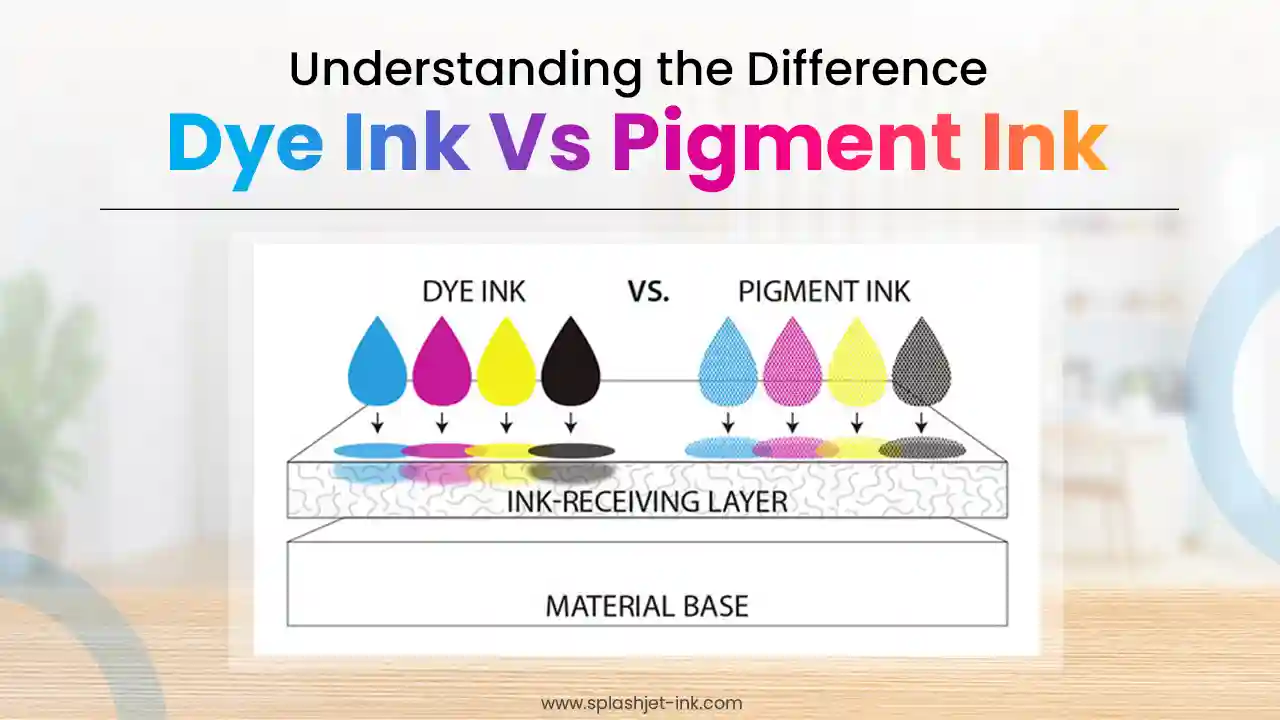
Dye Ink vs. Pigment Ink: Understanding the Differences and Choosing the Right Ink for Your Printing Needs
Understanding their technical differences, performance on various media, advantages, and limitations.
Understanding their technical differences, performance on various media, advantages, and limitations.
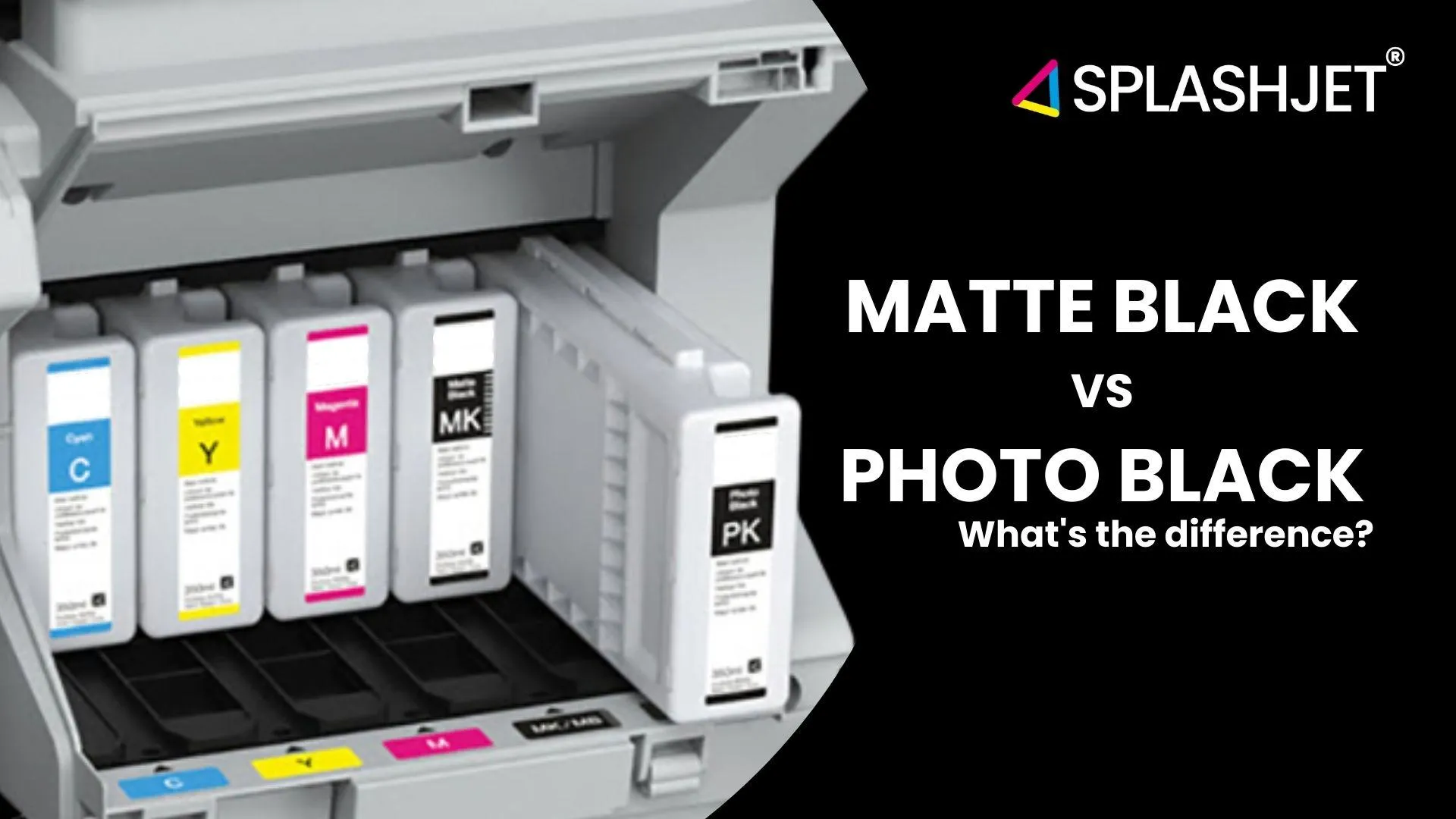
All of us who deal with inkjet printers have come across printers having more than one Black ink. Mostly the printer will have two Black inks, Matte Black and Photo Black. Why does the printer need different black inks? Let’s see.

Print head alignment is a process that ensures the optimal positioning of the printhead nozzles to improve the quality of the printed output.
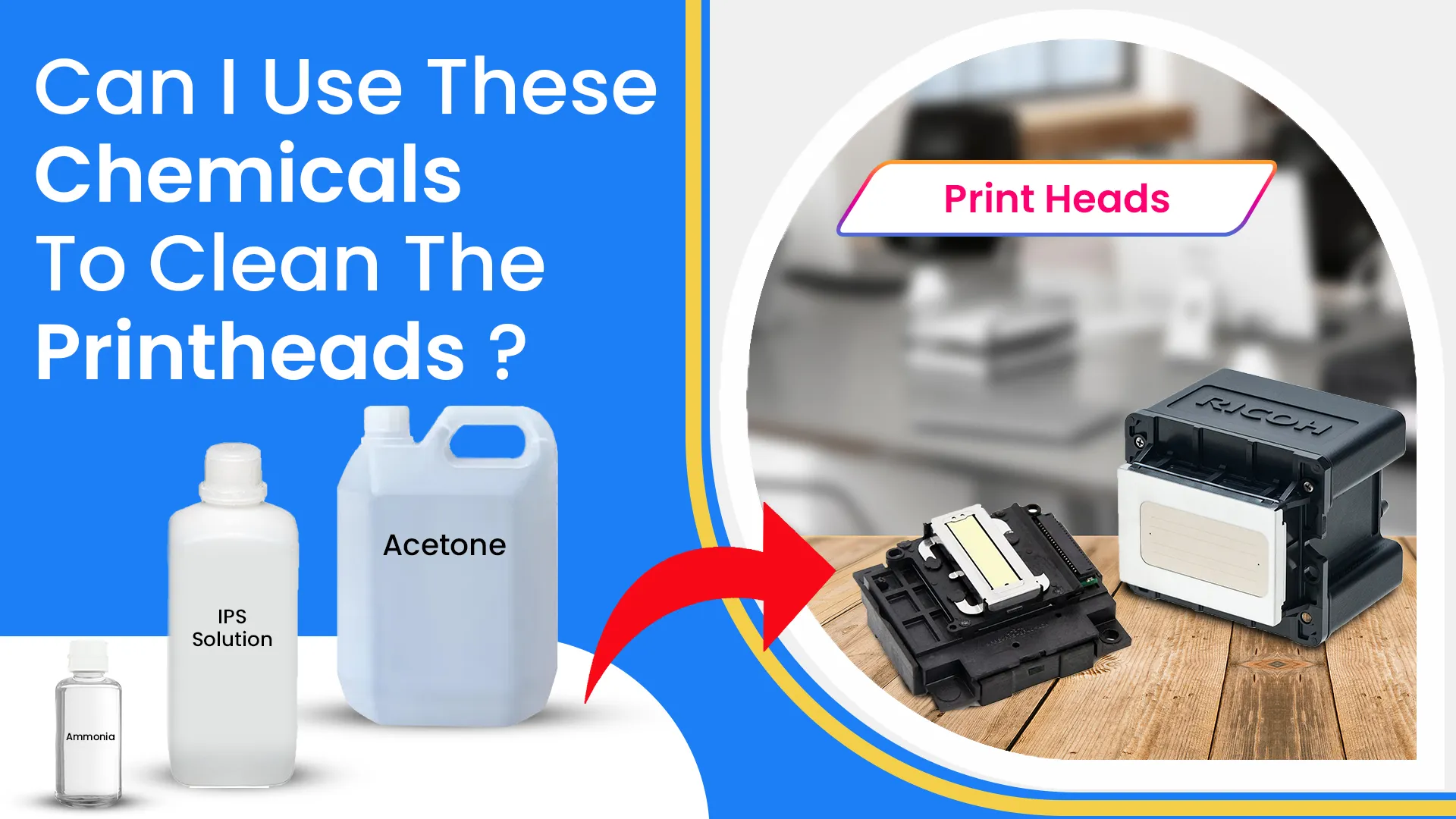
The increasing popularity of inkjet printers because of their relative friendliness and better costs has given an obvious rise to an increase in the number of printers getting used. This inherently means that every day more and more people are using inkjet printers.
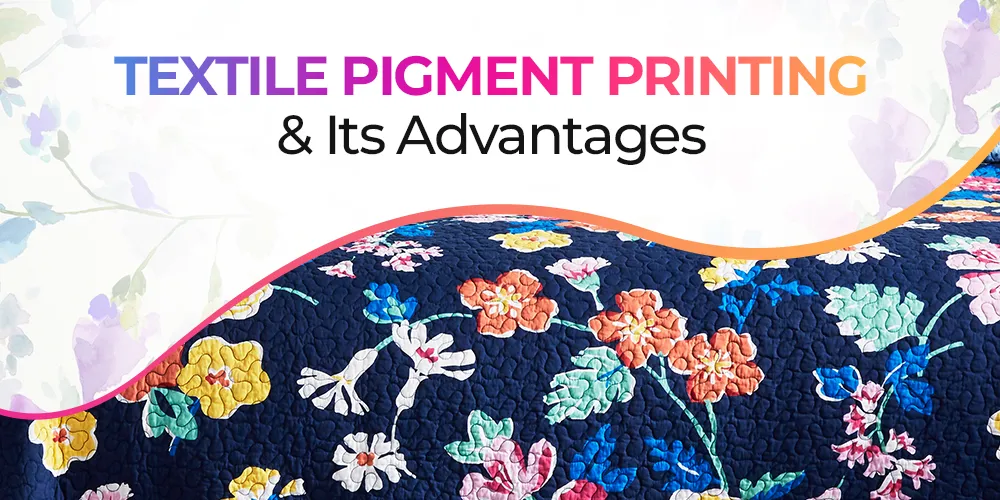
The use of pigments to print on fabrics has always provided an advantage over the reactive dye fabric printing process. There are two main categories here - Conventional Pigment Printing and Digital Pigment Printing.
A micro-factory is an on-demand manufacturing business modal that reduces losses, every fashion business hopes, to increase sustainability and profits with a shorter manufacturing cycle.
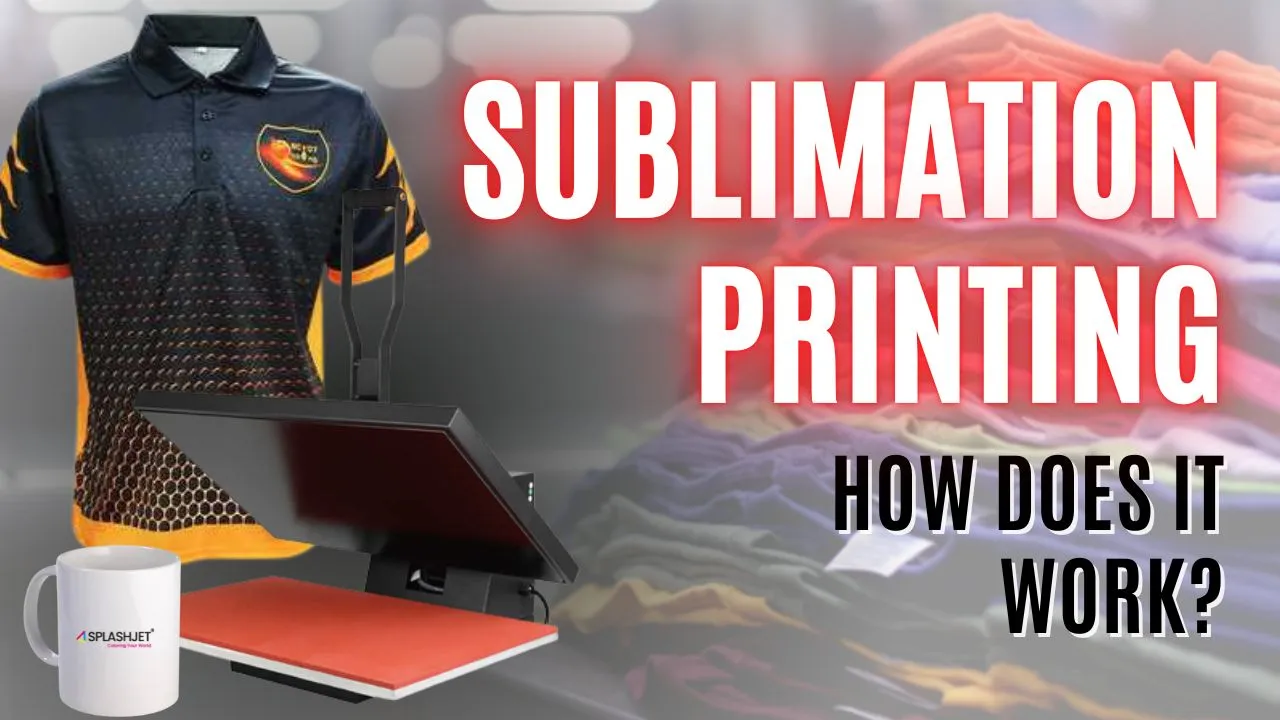
Sublimation printing is a beneficial and profitable business. With customized printing for personal items, its market has experienced a boom in the last couple of years. Here we will understand how dye-sublimation printing works and how to make money out of it. But first thing first.
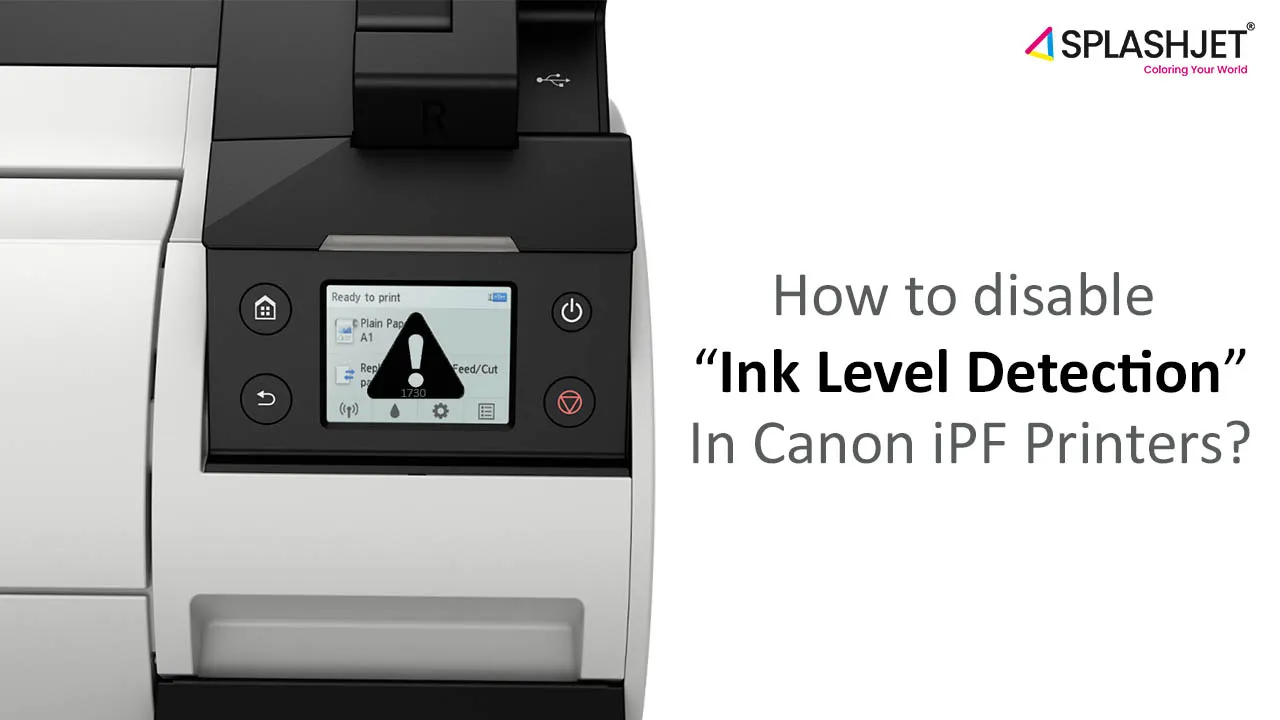
This short article describes how to stop the Ink Level Detection function in your CANON large format printer so that you can utilize refilled cartridges.

DTG can only be printed on cotton, but DTF can be printed on a wide range of fabrics.