
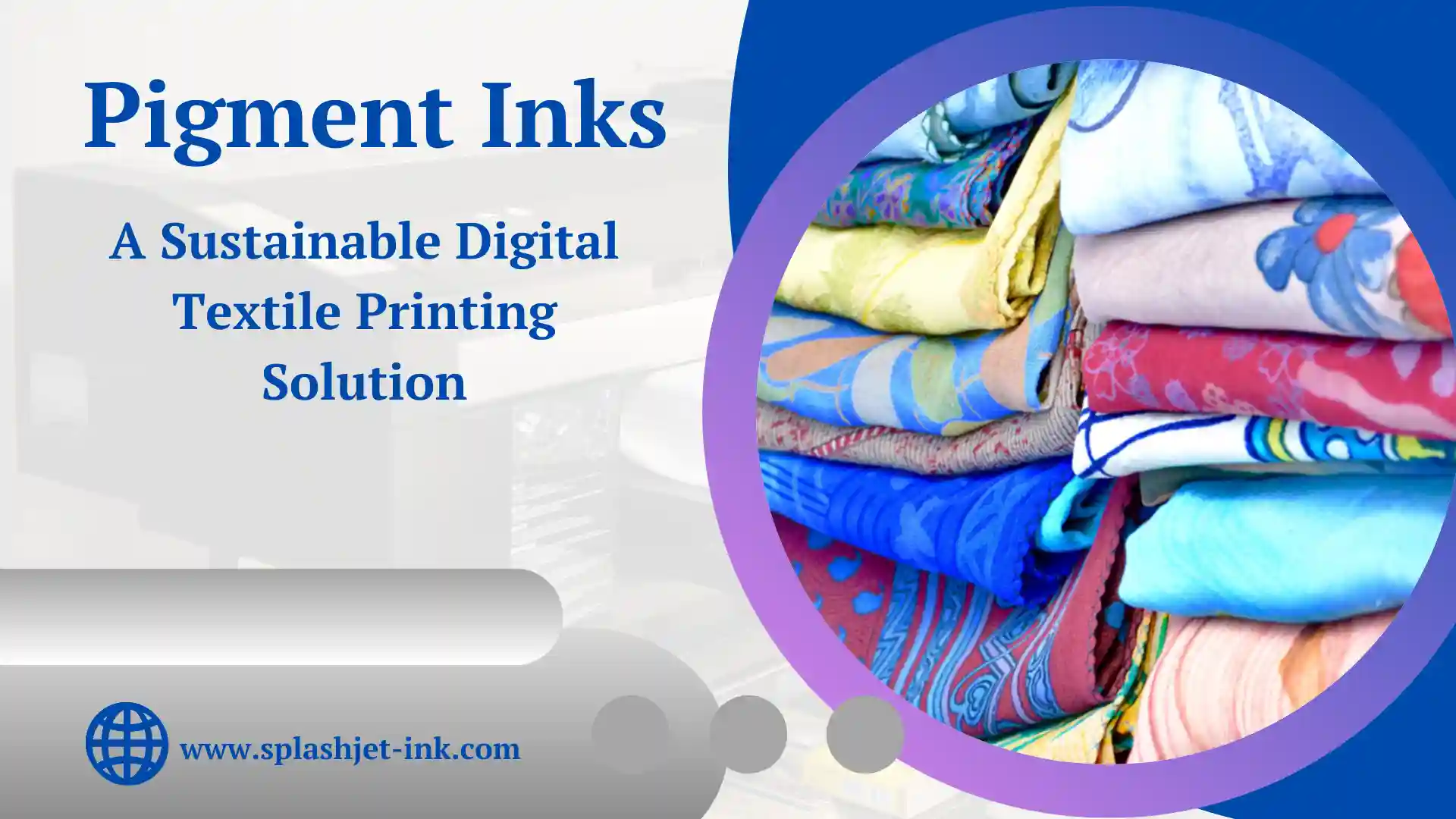
In today’s world of inkjet printing, Pigment ink is one of the most promising solutions used in digital textile printing. Digital pigment printing has been delivering great results for a variety of fabrics whether it is natural or synthetic fabric blends. In current trends, pigment inks offer great advantages in terms of production, design, and conservation of major resources like color, fabric, water, energy, etc. that help us to attain a sustainable digital textile printing solution.
The following reasons can give you a better understanding of why pigment ink is a sustainable digital textile printing solution. Let’s have a look.
1. Conservation of Water:
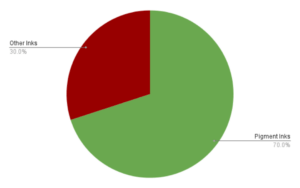
Pigment ink has eliminated the washing process that automatically conserves the water; whereas the reactive inks use separate fixation steps or steaming with excessive water usage to fix the dyes onto the fabrics and remove excess dyes while ensuring colorfastness. Some studies have shown that digital pigment printing has made 60-70 % water reduction as compared to dye-based and conventional printings depending on the fabric type, equipment effectiveness, and design complexity. Since Pigment ink is a water-based ink, there will be less chemical waste production. This will automatically help you to minimize the further treatment of wastes via ETP (effluent treatment plant).
2. Conservation of Fabric:
Pigment inks can be printed on a wide range of fabrics, including natural or synthetic blends. With digital pigment printing, you can print customized designs depending on your requirements which gives you the flexibility to alter the color or pattern at any step of the production process with precise fabric alignment. This saves the excess amount of fabric to be wasted and you can print the exact quantity of fabric required. However, in traditional methods like screen printing or rotary screen printing, you cannot alter the printing job if you have an on-demand printing requirement.
3. Conservation of Color:
In digital pigment printing, no dyestuff, color paste, or water is wasted during the printing process allowing you to utilize the colors effectively. All inkjet printers use printhead technology that precisely prints the desired image on media. In screen printing, you need to prepare dye or color paste in advance. However, in digital pigment printing, the printhead will drop or spray the pigment ink on fabric which will save a lot of your ink.
4. Less Energy Consumption:
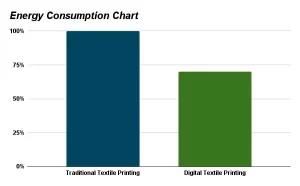
Irrespective of its utilization of computer and printer setup, digital printing helps you to save a lot on energy consumption due to its flexibility in production and print-on-demand facilities. Some reports have shown that digital printing saves up to 30 % energy consumption over traditional textile printing methods like screen printing and rotary screen printing.
5. Smarter Printing Solution:
Digital pigment printing is just a two-step process including digital printing and fixation (curing). Post-treatment is completely optional. These reduced number of steps in printing help you to save on operational costs along with reduced water consumption enabling shorter turnaround time.
6. Reliable Printing Job:
Computerised digital printing has boosted the production capacity for certain products to print many patterns with various tones of the same design making the delivery process rapid or can be delivered on the same day of production. Thus, your printing job becomes very flexible and makes your production worry-free. On the other hand, digital pigment printing allows you to print complex or detailed designs with unlimited color due to its direct access to digital design preferences via computer.
Conclusion:
In conclusion, we’ve discussed why pigment ink is the most sustainable solution for digital textile printing, and how it offers substantial benefits to your printing business over traditional textile printing methods.
If you’re curious about digital pigment printing and want to know more about pigment ink, please visit.
Splashjet Inkjet Ink Private Limited
Phone: +91-9209-008-467
Mail – info@splashjet-ink.com
References:
https://patternanddesign.com/digital-printing-versus-screen-printing-fabric-which-is-better/
https://www.inxinternational.com/blog/digital-printing/pigment-inks-digital-textile-printing