


Introduction
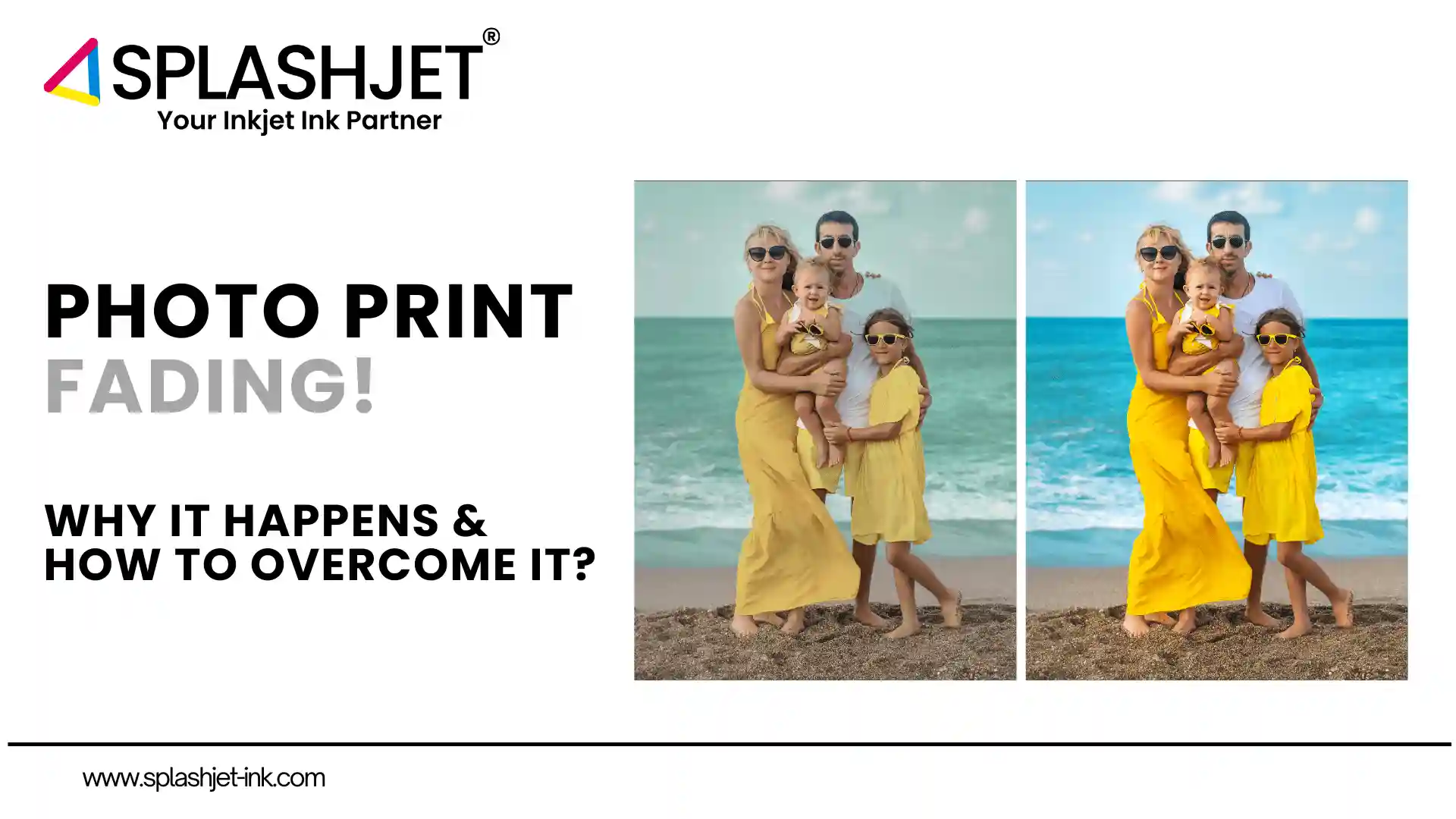
Have you ever found an old photo album, only to find the once vibrant images faded and dull? Printed photos have a special importance because they provide a material link to our memories. Unfortunately, all photos are prone to fading, a process that can ruin them of their beauty and precious details. This article mentions the reasons behind the photo print fading issue and provides you with the knowledge to avoid it. By understanding the science behind fading and implementing simple but effective methods, you can ensure your photos remain vibrant for longer.
Why Do Photos Fade?
The vibrant colors and details in our printed photographs are not permanent. The two main elements behind the degradation of the photos are:
- Ink Chemistry: The longevity of the prints depends a lot on the type of ink. Dye-based inks are sensitive to oxidation, which breaks down the dye molecules, causing colors to lose their intensity and fade. Whereas, pigment-based inks offer better fade resistance. These inks contain microscopic particles that reflect light, resulting in colors that delay fading.
- Environmental Factors: Along with the ink, the environment surrounding your photos significantly impacts their lifespan. Here are some key environmental reasons:
- Light: The biggest enemy of vibrant prints is ultraviolet (UV) light. Sunlight and even some artificial lights emit UV rays. These can break down the chemical bonds in the ink and result in fading.
- Humidity: High humidity levels can cause warping and encourage mold growth on prints, further damaging the image quality.
- Temperature: Extreme temperatures, both hot and cold, can accelerate the deterioration process by impacting the stability of the ink and paper.
- Air Pollutants: Dust, smoke and other airborne pollutants can settle on the surface of your photos. These also contribute to chemical reactions that lead to fading.
How to Overcome Photo Fading
By taking proactive steps during the printing process, displaying your photos, and storing them properly, you can significantly extend their lifespan. Here’s how:
- Printing Process:
- Ink Selection: Pigment Inks are generally used for printing fade-resistant images whereas Dye inks are used for vibrant images, however, pigments are not very vibrant in colors. If you want to print vibrant prints with excellent fade resistance then use UV+ Photo Dye Inks.
- Paper Quality: Invest in archival-quality paper that is specifically designed to be acid-free and resistant to deterioration, providing a stable base for your photos.
- Display and Storage:
- Light Management: Avoid displaying your photos in direct sunlight or under bright artificial lights for extended periods. Consider using UV-filtering glass in your frames for added protection.
- Proper Framing: Choose frames with acid-free mats and backing materials. Choose well-sealed frames to further minimize dust and environmental exposure.
- Environmental Control: Store your photos in cool, dry locations with moderate temperatures.
Conclusion
The vibrant colors and details captured in your printed photographs are your memories of the past. By understanding the science behind photo fading and implementing the simple strategies explained above, you can ensure these memories remain a source of joy for you and future generations.
Splashjet is committed to providing the highest quality inks to help you preserve your stories. Our UV Plus Photo Dye Inks, a new generation specially formulated fade-resistant Dye Ink, offer enhanced print life to your photo prints and reduce the risk of color fading, yellowing, or deterioration with time. These photo dye inks boast a UV-resistant formula, ensuring your prints stay vibrant and stand the test of time even under harsh sunlight exposure.
*Disclaimer: The fade resistance of UV+ Photo Dye Inks compared to pigment inks may vary. The above claim is based on laboratory tests conducted under standard conditions comparing normal dye inks and UV+ Photo Dye Inks. The results may vary in real-world applications.


This Post Has One Comment
Pingback: Print Professional Photos at Home – Splashjet-lnk